

🗺️ The map is not the territory
In 1922, a journalist named Walter Lippmann wrote about how we actually don’t see the world for what it is, we only see an interpretation of it.
He called it the pseudo-environment. The world is too large and too complex for any person to experience directly, so we all navigate through a picture of the world that someone else built for us.
“For the most part we do not first see, and then define, we define first and then see.”
― Walter Lippmann, Public Opinion
He wrote this in the era of newspapers. This was before television, before the algorithm learned your hesitations.
There has always been a filter between you and the world, and it has been moving in the same direction: closer, faster, more personal, more invisible.
📰 Papers
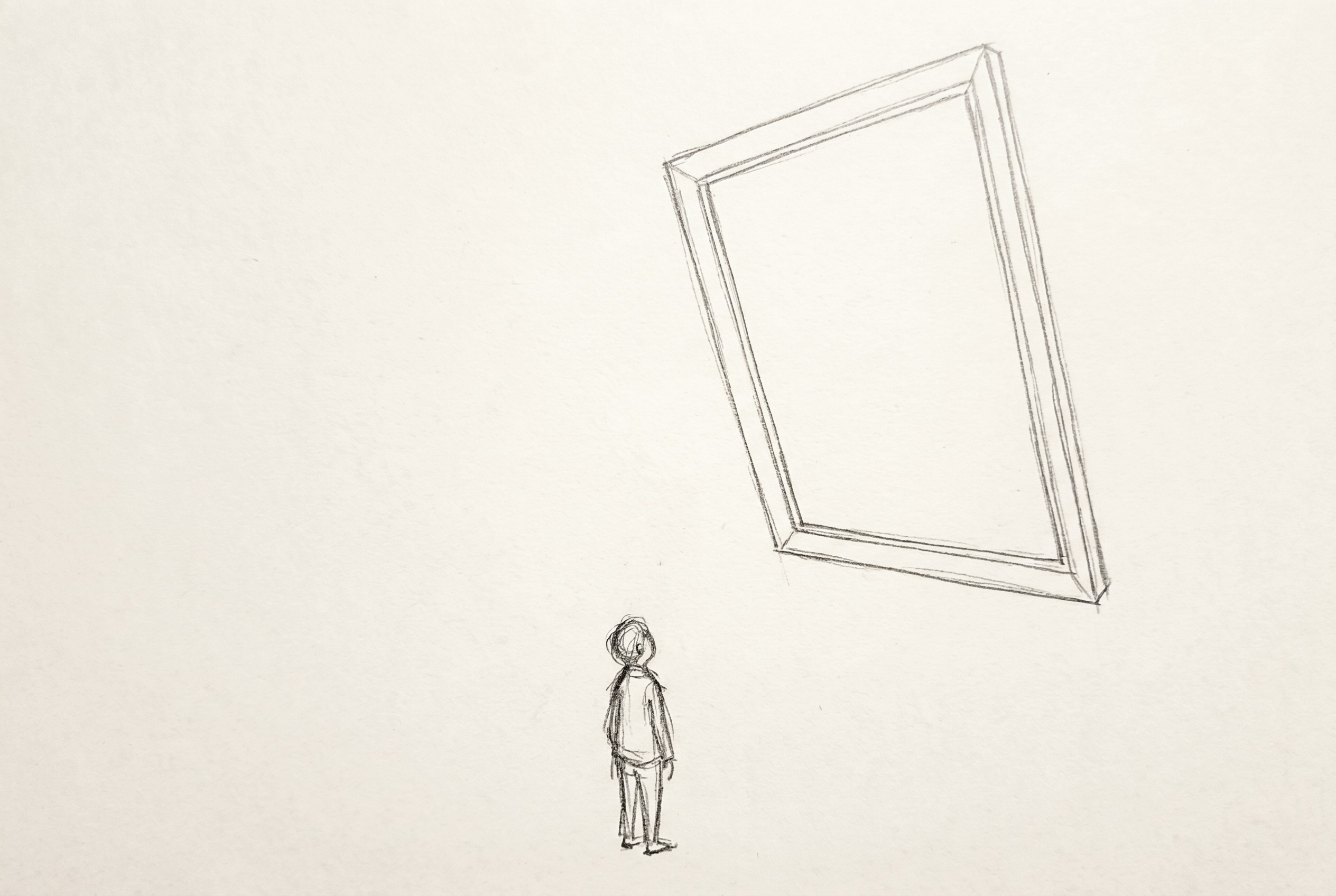
Print, whether as books or newspapers, gave a shared picture. You read the same newspaper as your neighbor. The editor had a perspective, the paper had owners, and the frame was visible enough that you could hold it at arm’s length. You knew you were looking at a picture. The world was still somewhere else.
📺 Broadcast
When broadcast was introduced, a generation went to bed with almost the same version of the day. The filter got more centralized.
Something quieter happened in broadcast, though. Accessing information used to require real effort. You traveled. You prepared your questions, because the cost of getting there made you take them seriously. You arrived as a participant. The distance created a kind of gravity around the question.
Broadcast started closing that distance. The information can now arrive in real-time.
📱Algorithmic
Then the internet arrived.
This was not only real-time information, but personalized information. From search results to feed, the algorithm learned your patterns, your hesitations, the things that kept you scrolling past midnight. It didn’t show you a perspective anymore. It showed you your perspective, refined and reflected back.
The frame also became more invisible, it got too good at agreeing with you to notice.
Somewhere in the scrolling, you could read someone else’s thoughts then share it, and it would feel like productive thinking because the words felt yours and the information was real.
The friction of thinking about what you saw (i.e. the place where something original had a chance to form) got easy to skip.
🤖 Generative
And now a picture of the world doesn’t just get served to you. It generates itself around you.
The AI doesn’t present a perspective or even your perspective. It constructs a response shaped by everything it’s learned, including what kind of answer you’re likely to find satisfying. The filter is still there. It just sounds, increasingly, like the inside of your own head.
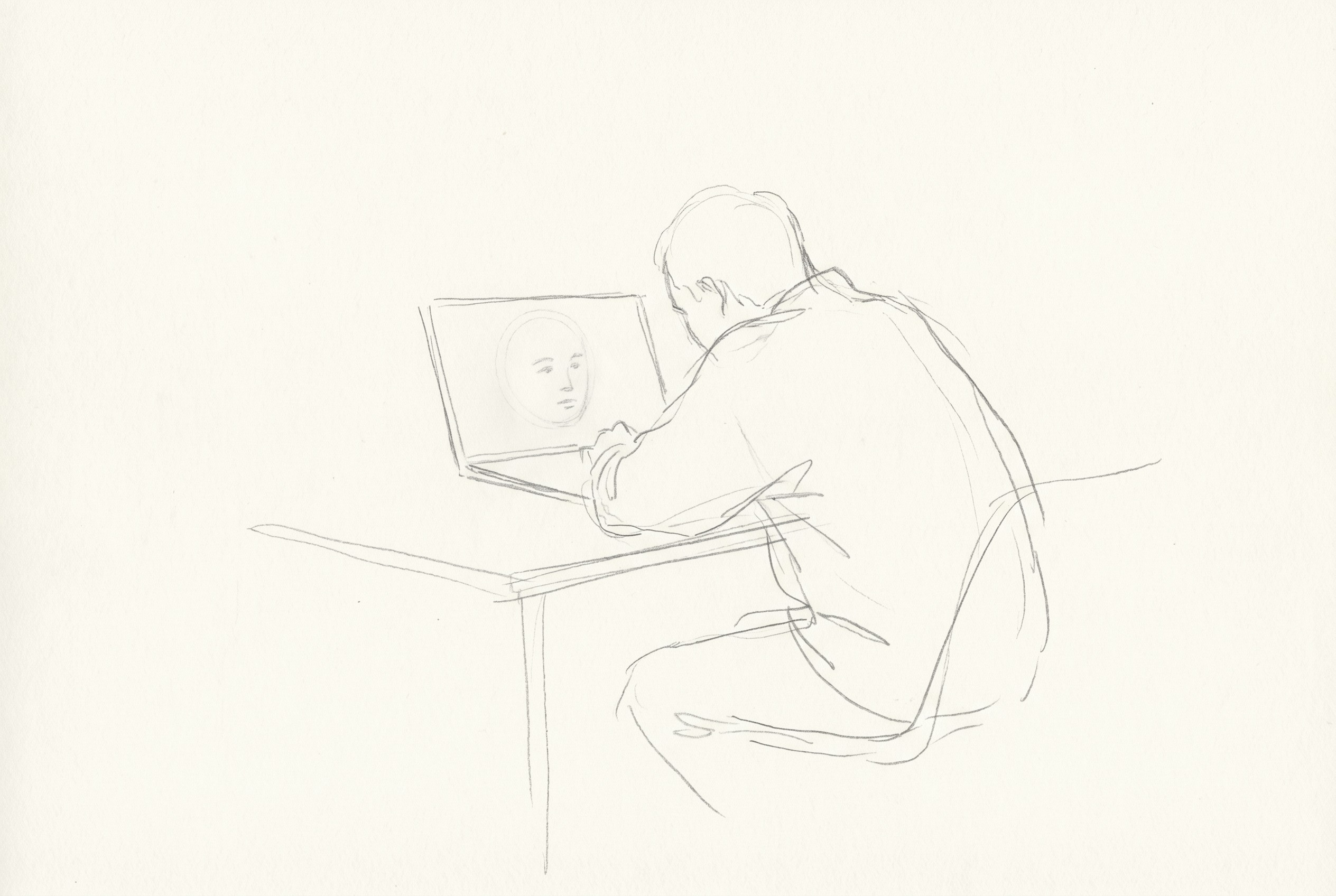
Access to information has never been easier. The pseudo-environment doesn’t feel like a pseudo-environment when it’s this well-fitted.
🧠 What’s been closing the whole time
There’s a pattern across all of it.
Papers removed the effort of seeking. Broadcast removed the friction of distance. Algorithms removed the shared frame. And now, the generative layer starts to form an answer before you get to think of the right question.
Each shift made the gap between you and the picture harder to see.
Original thought was never about finding something no one had found before. It was about arriving with a question that actually unsettled you, one you’d been living with long enough to matter. The distance, the effort, the cost of getting there, were conditions that made thinking AND expertise possible.
🗓️ So what comes next?
The filter shift is accelerating. The picture will be more personal, more invisible. And the people who learn to ask the right questions are going to think differently than everyone else.
Which leads me to highlight the inevitable… AI.
In the age of AI where a lot of knowledge work can be displaced, critical thinking becomes much more important. We talk a lot about how taste is the new moat now. All of that is true. One key thing I would highlight is that although taste can only be acquired if you are willing to put in the work of thinking, of having strong opinions.
Everyone can access any type of information now.
The access gap has been closing, but the thinking gap is getting wider.