

“If you can’t explain it to a six year old, then you don’t understand it yourself”
It has been said that the best way to learn is to teach. I think there was truth to that, but it was not necessary. You can understand something and never explain it to anyone. Teaching is a separate skill.
While it’s still true that teaching, specifically the ability to articulate, is still a skill in itself…. it just happened to become more urgent now.
Articulation used to be optional. You hired people who already live and breathe the same context (and possibly standard) as you. They trained in the same programs while in a university, or consumed the same content. A designer didn't need to explain why a specific layout worked — they just made layouts that worked, and people trusted them.
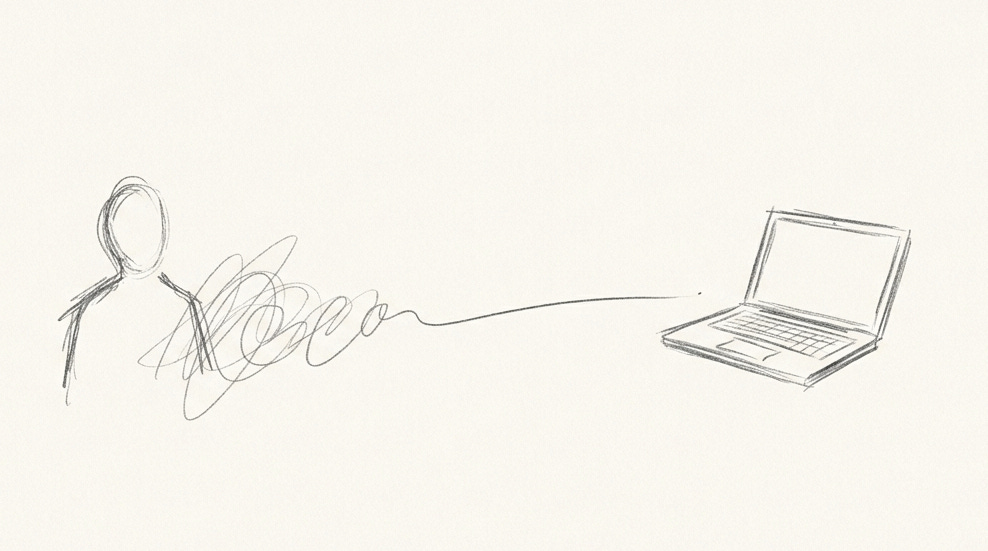
Tools are adding AI features left and right, and people are using them to automate the ground work.
What all these tools lack is domain expertise.
Tools used to just be platforms you execute on. Now tools are becoming “workflows” themselves, trying to execute for you. It barely works because the person who knows best how to execute what you do is… (of course) you.
Expertise that lives only in your head can’t reach the tool doing the work. And now, your expertise is becoming a scarce resource.
Taste? Judgement?
The past year, everyone has been hearing that taste and judgement are the only jobs that will remain.
Probably true, and likely will still be true. The intent of the claim has direction, but I think it got dragged into meaning other things.
“Taste” is now manifested as the cool-ification of the tech founders from wearing only shirts to trendy jackets and blings. It now shows up as serif fonts on startup brands, to appear hand-made and artisan.
All these are trends with the same trigger — the mass-production of average. Along the way, everyone is also losing the plot of what the urgency of taste & judgement is all about.
A golden rule
If there is one principle to hold on to, especially for people using new technologies, it’s this:
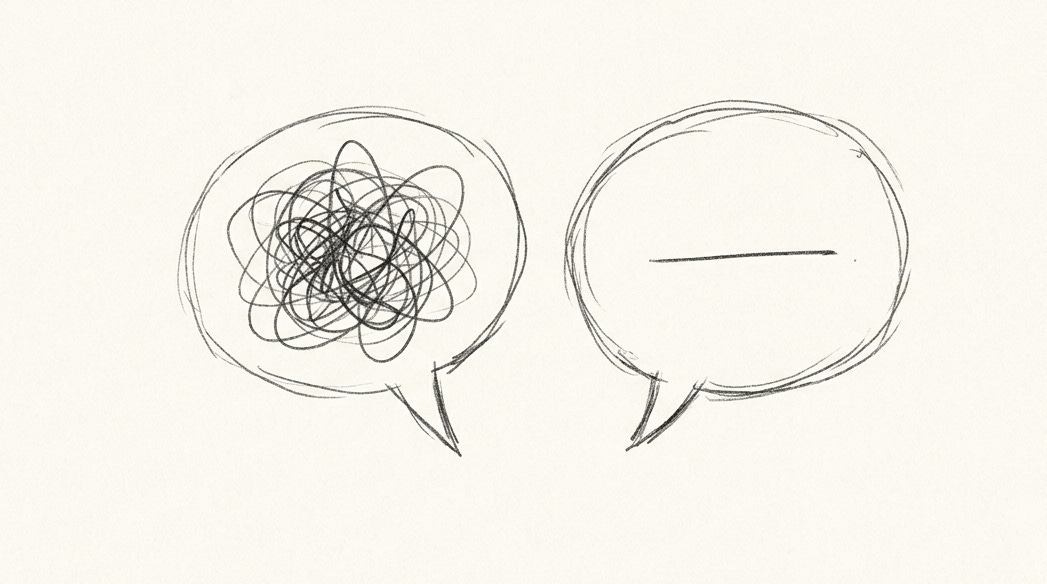
say what you mean
&
mean what you say
The frustrating thing about witnessing an AI-generated output is how you just know the person did not mean to say, do, or create whatever was generated.
The difference with the tools before is that you were still required to think. Whether you were holding a paintbrush, or opening MS Paint in your computer, or even using Photoshop tools. You had to think what goes in or out of the canvas.
You had a “judgement” to inject.
With the tools now, it is easier not to think.
And that’s what you have to fight to keep on doing — to keep thinking.
The tools will keep adding features to make your life easier. You still have to articulate what you need and how you want it done, not in acquiring new fancy tools but by writing context that only you can come up with.
Automate and augment, but never outsource thinking.